All Posts By

VMA DEV

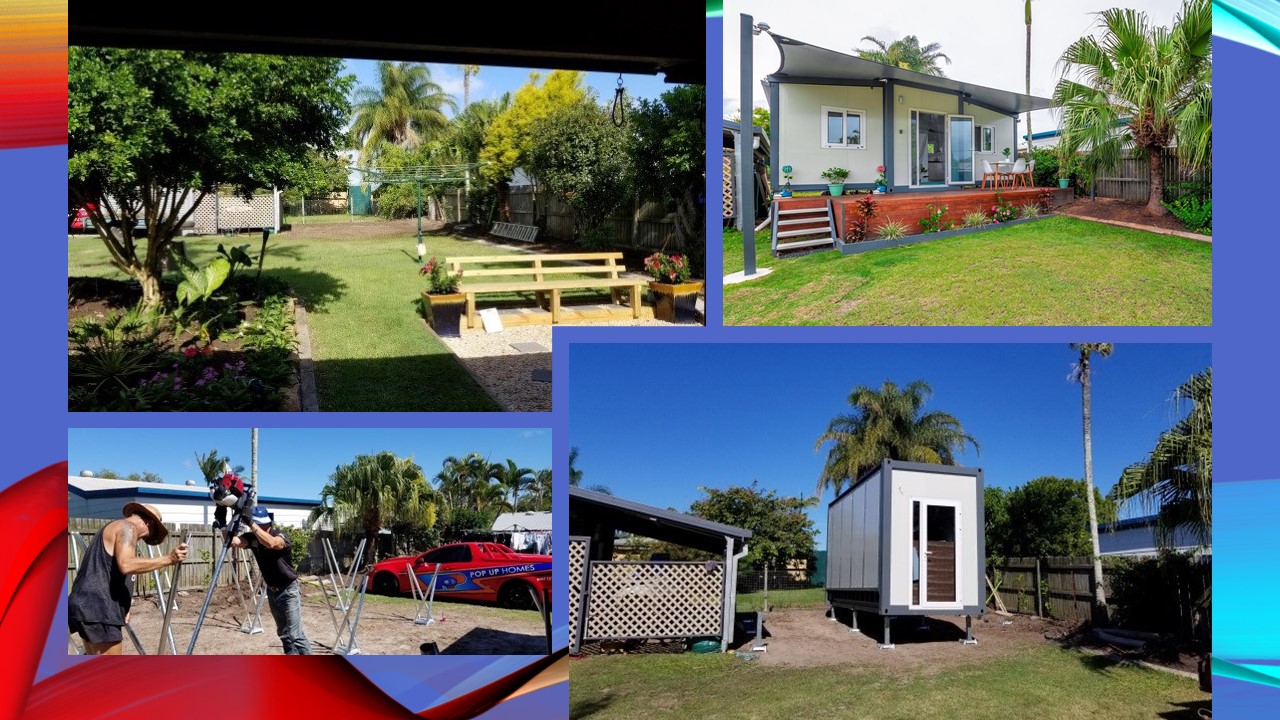
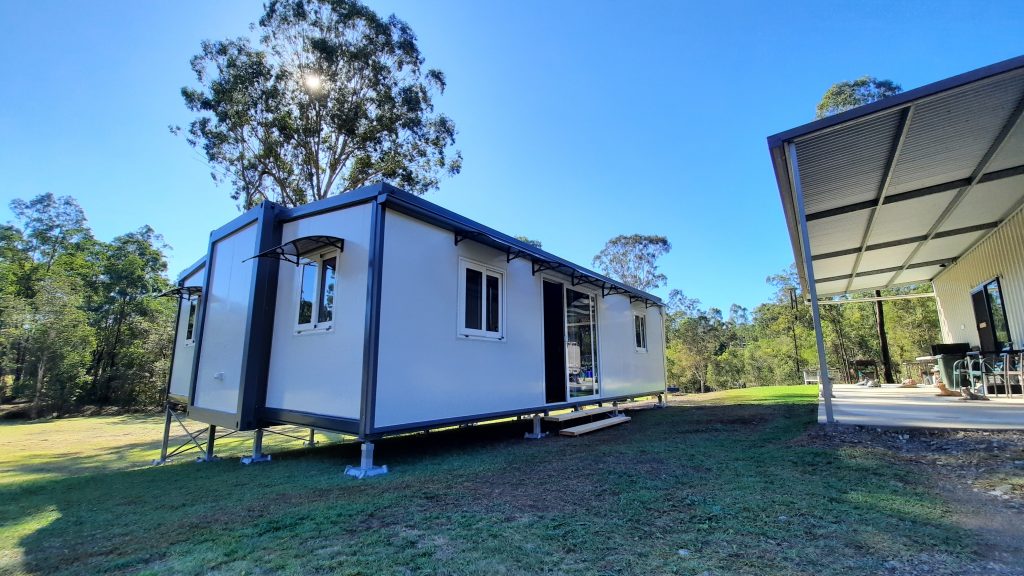
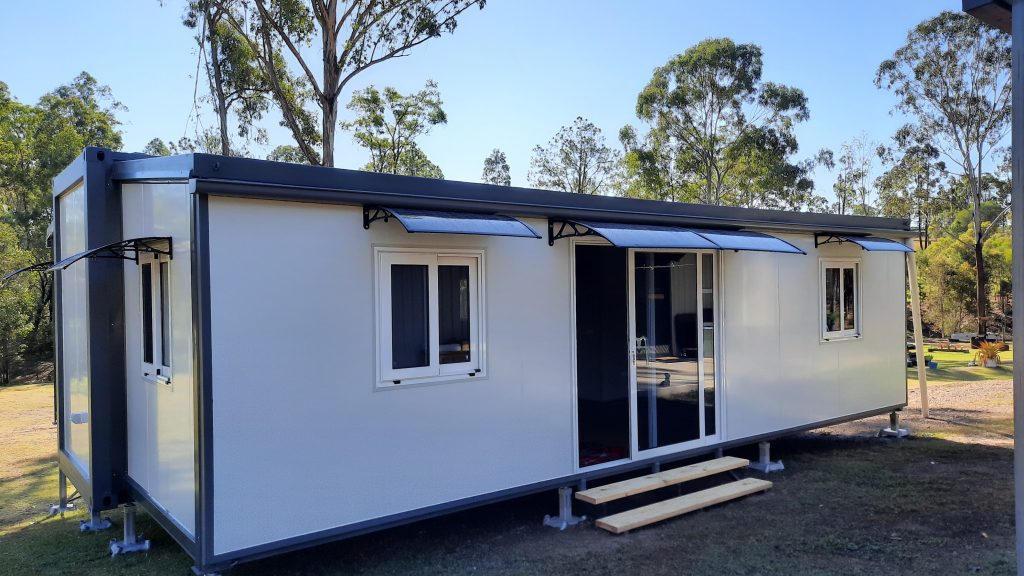
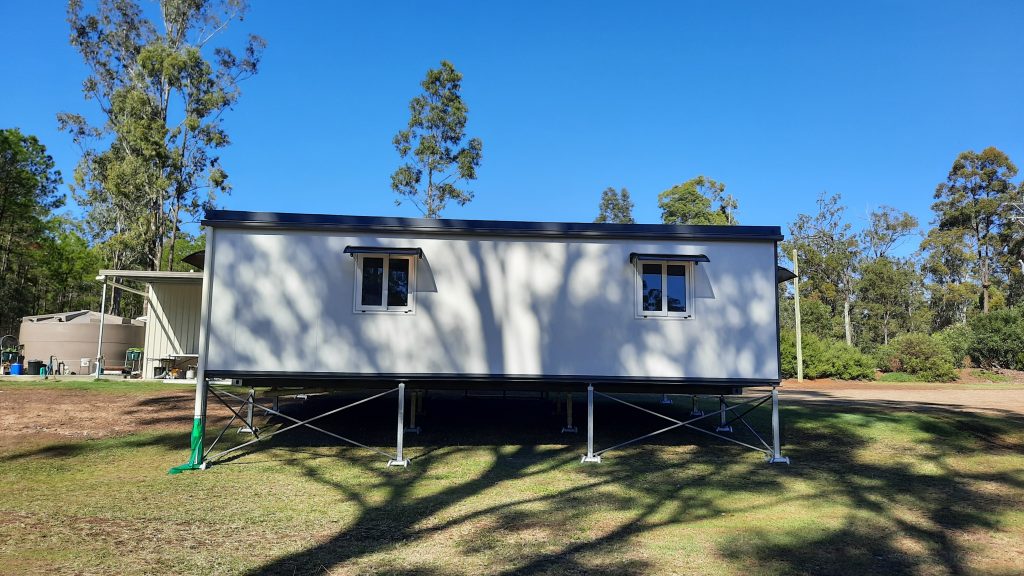
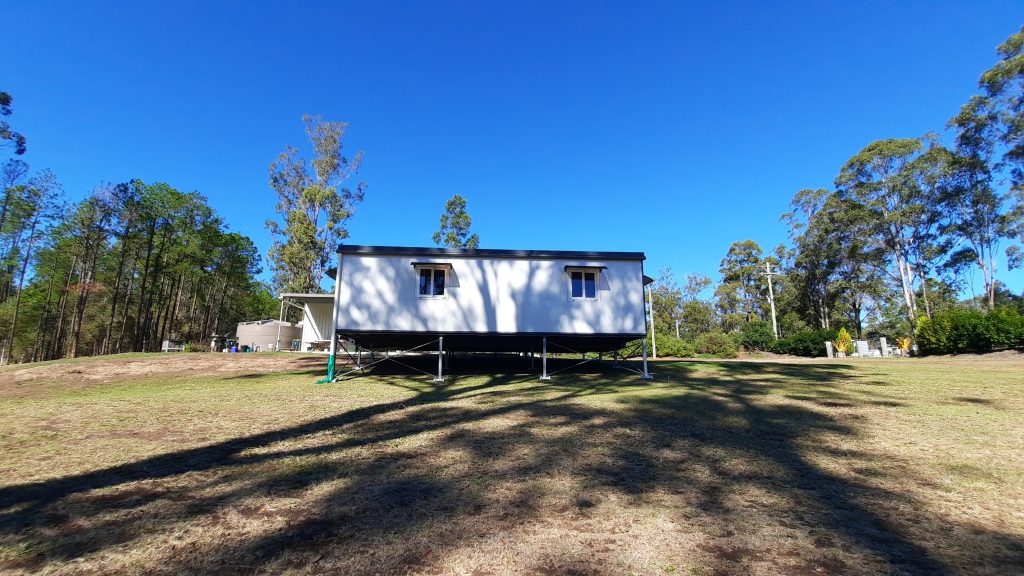
various delivery stages of a Pop Up Home

Granny Flats becoming more popular over building a conventional house

By Finance, Granny Flat, Kit Home, Small Home, Tiny Home


Adding value to your property can be as easy as putting a granny flat in your back yard. In our largest capitals around Australia, they have the potential for over 500,000 properties to have granny flats built in their yard.

Source: Core Logic

What is a granny flat?

A granny flat is a small self-contained living area built on the grounds of an existing family home. They are also known as a secondary dwellings and accessory dwelling units. They were named from the original purpose they initially served. Traditionally families would use these dwellings to accommodate their aging parents or grandparents. By adding a granny flat, helped keep the family together while giving everyone much-needed privacy. By adding a granny flat was a much more affordable alternative to aged care homes and facilities.

Granny flat costs? 

There are two ways to build a granny flat. One is buying a kit home; kit homes generally offer two bedrooms, a kitchen and toilet area and can roughly cost around $50,000. Keep in mind that a kit home may have other costs involved, for example, the cost of labour to build your kit home and the services of a plumber and electrician to get your kit home connected to existing power, water and waste as well as the cost of getting your kit home certified through council.

A conventional built granny flat

Can cost around $120,000 – $200,000 which typically includes the electrician, plumber and other services required to build a granny flat. It’s a smaller expense compared to building a conventional home, but according to CoreLogic/Archistar modelling, it has the potential to boost the value of your existing dwelling by 30%. For example, adding a granny flat to a $500,000 property could see it’s market value rise to $650,000 it is a significant return on investment.

Source: Core Logic

How can I finance my granny flat?

There are 2 common ways to finance your granny flat. As Alex Ritchie has said in her report.

1. Redraw on your mortgage:

If you have made extra payments on your mortgage and have a redraw facility, you can access the extra money you have paid and use it to finance your renovations. This can be a competitive option if you want to avoid the hassle of additional debt, such as putting your renovation on a credit card or taking out a personal loan. However, keep in mind that you will lose the benefit of reduced interest charges on your mortgage because your loan balance will go up. Some lenders will limit the amount and frequency of redraws, as well as charge fees to deposit and withdraw.

If you want to take the redraw route, but your home loan does not offer this feature, you may want to consider refinancing to a home loan that allows this. The issue would then be waiting a few more years to build your granny flat after you’ve made enough additional payments to fund this project.

Pros

· Access cash without taking on new debt

· Easier and faster than applying for a new loan

Cons

· No longer reducing your mortgage interest

· Can be fees or limitations associated

2.Personal loan for renovation:

If you don’t have the funds upfront, you may consider taking out a personal loan for renovation.

A personal loan may allow you to take advantage of flexible features – such as the ability to make extra repayments, choose between a fixed or variable rate and choose between a secured or unsecured the loan. Personal loan terms are also much shorter than that of home loans, although interest rates may be much higher.

If you were thinking of putting your granny flat costs on plastic, keep in mind that personal loans carry lower interest rates than credit cards. The average personal loan rate on RateCity’s database sits at just over 12.14 per cent, while the average credit card rate is 16.82 per cent.

There can be a range of ongoing fees associated with a personal loan, such as annual fees. Consider researching different types of loans and compare some that you think maybe the best fit for your financial needs and budget before making a final choice.

Pros

· Flexible features

· Fixed term to pay off loan

· Lower interest rate than credit cards

Cons

· Potential fees

· Higher interest rate than home loans on average

· Can add to existing debt

Source: – Alex Ritchie – Rate City 

Around Australia a revolution is taking place

The humble granny flat is becoming more and more of a trend, why you might ask?

It has the potential to not only increase your property value but also has the potential for excellent source of steady income either by long term renting, Airbnb, storage areas, a backyard gym or home office and many other investment ideas. The family benefits of a granny flat can’t be overlooked either, whether that’s giving your adult children more privacy while they are saving for a mortgage to move into their own home, keeping loved ones close as they become more reliant on care or if you have family visiting from overseas it’s a great way to give them the space and privacy they need.

Building Granny flats

Not only helps with your investment but helps with the ever-increasing Problem of ‘’affordable housing’’ for those that cannot afford to get into the housing market or rent due to increasing cost of renting a dwelling, they finally have the opportunity to rent their own home in an area that they so choose, that’s otherwise too expensive to buy land and build a house

There are also greater potential benefits that building a granny flat could bring to the Australian economy. If every one of the eligible 500,000 plus residence of Australia decided to put granny flats in their backyard, the construction industry in Australian could see more than $6 billion invested back into the industry and country, that’s a huge cash injection. Not only can it be beneficial to builders, but it creates jobs for electricians’ plumbers and other professionals in the building industry.

 Source: Core Logic

What are the limits to building a granny flat

When it comes to adding a granny flat to your backyard, there can be some limitations, The rules about whether you can build a granny flat may vary from state to state and even between councils. The major key factor in whether you can build a granny flat on your property is the size of your block, in Queensland, for instance, you will need a minimum of 450 square metres for a small lot, or rear lot less than 600 square metres, excluding the access way. If you would like to know more about your council rules and regulations on granny flats, click this link from Pop Up Homes to find out more.

Pop Up Homes is your solution

For an affordable granny flat, not only for investment purposes to increase the value of your property but for your parents, grandparent and adult children that are wanting to live closer to their family or saving for their first home, while providing that privacy that we all need. We offer 2 sizes;- 37 square metre and a 58 square metre with 4 different styles.

  1. The Keppel is a 37 square metre 1-bedroom Pop Up Home.
  2. The Fraser is a 58 square metre 2-bedroom Pop Up Home.
  3. The Fraser 58 square metre 2-bedroom Pop Up Home with a study Pop Up home. 
  4. The Moreton is a 58 square metre 3-bedroom Pop Up Home.

Not only are Pop Up Homes affordable but we offer stress-free packages that includes;

  1. Planning at a low cost.
  2. QBCC home warranty insurance.
  3. Engineering form 15.
  4. Installation of your Pop Up Home.
  5. Supply and install footings.

Our Pop Up Home specialists deal with the certification process for you and deal with the council, so you don’t have too!

All our Pop Up Homes are thoughtfully designed and engineered in Australia while maintaining the affordability that most other granny flat builders can’t provide.

Why choose a Pop Up Home as an investment for your property?

A Pop Up Homes “Granny Flat”, is a great investment and is worth considering due to the reasonably low costs and relatively high yields/returns, especially when compared to traditional investment properties. With 4 styles of granny flats on offer, there is an option for a wide range of investors and owner-occupiers. Summarised below are the potential returns and costs.

*Please note that these costs are approximate and assume that the “Granny Flat” is put on land that you as the investor currently own, hence the costs exclude the cost of land.

 The Fraser – 2 bedroom Total Cost $ 72,560

Permanent Rental in Brisbane / Gold Coast $ 380.00 per week for say 50 weeks = $19,000 (Gross Yield 26%)

AIR BNB Rental in Brisbane / Gold Coast $ 150 per night for say 300 nights p.a. = $45,000 (Gross Yield 62%) 

 The Fraser- 2 bedroom with study Total Cost $ 73,560

Permanent Rental in Brisbane / Gold Coast $ 390.00 per week for say 50 weeks = $19,500 (Gross Yield 26.50%)

AIR BNB Rental in Brisbane / Gold Coast $ 150 per night for say 300 nights p.a. = $45,000 (Gross Yield 61%)

 The Moreton 3 bedroom Total Cost $74,560

Permanent Rental in Brisbane / Gold Coast $ 390.00 per week for say 50 weeks = $19,500 (Gross Yield 26%)

AIR BNB Rental in Brisbane / Gold Coast $ 160 per night for say 300 nights p.a. = $48,000 (Gross Yield 64.3%)

Source: Superior Accounting Group 

Advice is general in nature, please consult your accountant and lawyer to see if it suits your own personal situation before proceeding.

Related Reading: Granny Flats Make For A Great Versatile Investment Opportunity

At Pop Up Homes, we love what we do, and we love our customers even more. Have a read of customers reviews here and give us a call to answer any questions about a Pop Up Home granny flat.

Facebook Reviews

Testimonials

Google Reviews

Sources: Core Logic  /  Rate City
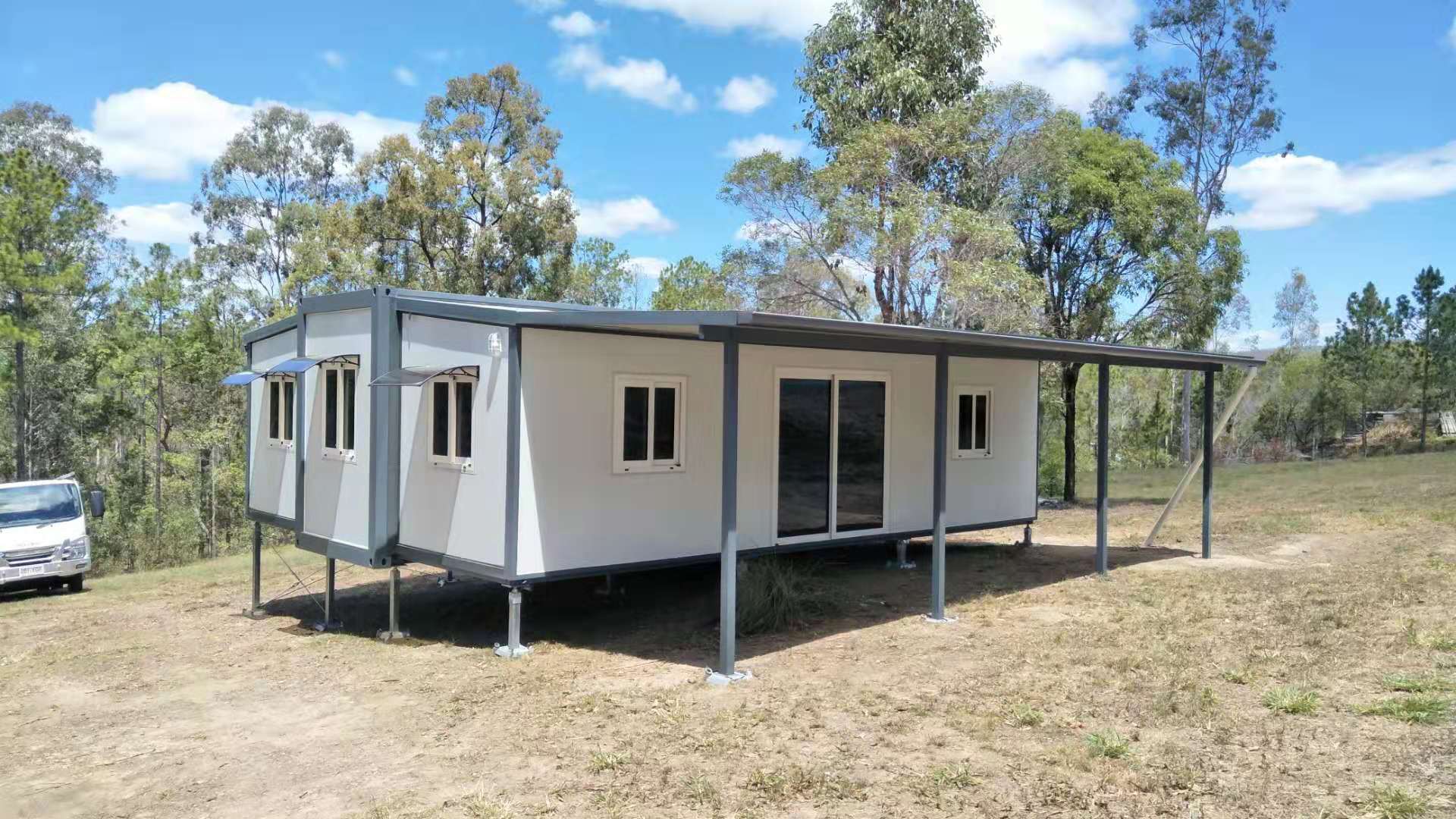
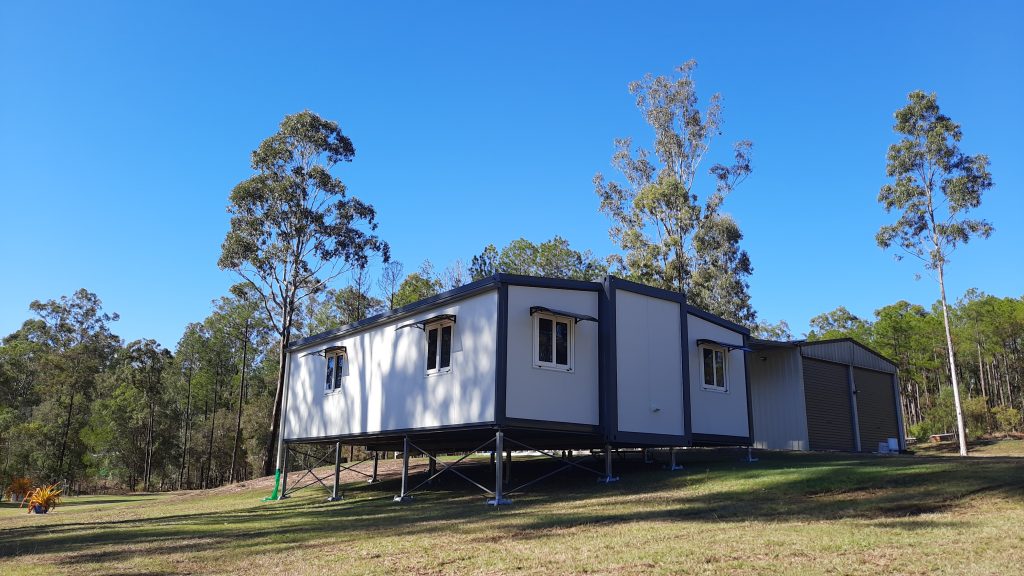
newly installed tiny / small home on vacant rural land

Pop Up Homes V’s Affordable Kit Homes in Queensland

By Finance, Granny Flat, Kit Home, Small Home, Tiny Home

Pop Up Homes are not just for caravan parks. They are a great alternative as a home or a Granny Flat. When thinking of a Pop Up Home in Queensland people often think of something that they have seen in a caravan park or over 50’s village. The savvy investor will often purchase a Pop Up Home and use it for investment purposes by putting it on an existing home block as a granny flat. This is a fast and efficient way of increasing your portfolio without having all the additional expenses of purchasing additional blocks of land, the smart investor uses what they already own to duplicate income changing the ROI (return on investment) from 5% to 10% or more instantly.


THE BENEFIT OF A POP UP HOME

The benefit of a Pop Up Home for Queenslanders is that they can be considered a permanent home/granny flat or an investment opportunity. They come in 2 sizes 37 SQM and 58 SQM and Pop Up Homes have 3 styles The Keppel, The Fraser and The Moreton. As part of our Pop Up Home package, they come complete with electrical, plumbing, flooring, kitchens and bathrooms. Pop Up Homes come with a footing system that requires no digging hence leaving your yard intact. They are built off-site and the installation takes no more than a week.


THE ADVANTAGES OF A POP UP HOME

The advantage to this is that you do not need to have the existing home vacant while the build process takes place as there is no disturbance to your existing tenants. A team of installers come in to install the stump’s, put the home on the stumps, fit the home off and are gone in anywhere from 2 – 7 days leaving no mess and no disturbance to neighbours or existing tenants.

Purchasing a Pop Up Home is easy, has a great return on investment, enables you to rent out your existing property while the build process takes place, leaves you with no mess, is affordable and perfect for the savvy investor.


BUYING A KIT HOME

Looking at buying an affordable kit home in Queensland? There are plenty of options available and it does depend on your budget and needs.

There are a few things to consider with a kit home the cheapest option is often for you to install that kit yourself. This is not for the faint-hearted.

1. You must have an owner builders’ licence to do this.

2. There are a lot of additional costs that you must not forget about as kit homes often come with all materials to lock up stage only.

3. Have you ever bought a flat pack from Bunnings and you are missing bits and pieces, think about all the components required for a home and the possible delays in acquiring the additional pieces required to complete the home?


THE BOTTOM LINE

The bottom line is that if you do not have a great understanding of the building code and are not a qualified builder then you are likely to run into some serious and costly delays. My suggestion is to weigh up all your options and get a price from a few builders to install the kit home to completion including electrical, footings, plumbing and council approvals. This is best done before purchasing a kit home so that you can weigh up all your costs. Also, look at the contract and ensure that the warranty on the home still covers you if you build the home yourself.

When looking at both kit homes and prefabricated home for sale in Queensland it’s important to do your homework and weigh up your options based on your building ability and individual circumstances. Both options are great if you are on a budget or are looking to get a great return on investment.

popuphom popuphom popuphom popuphom popuphom

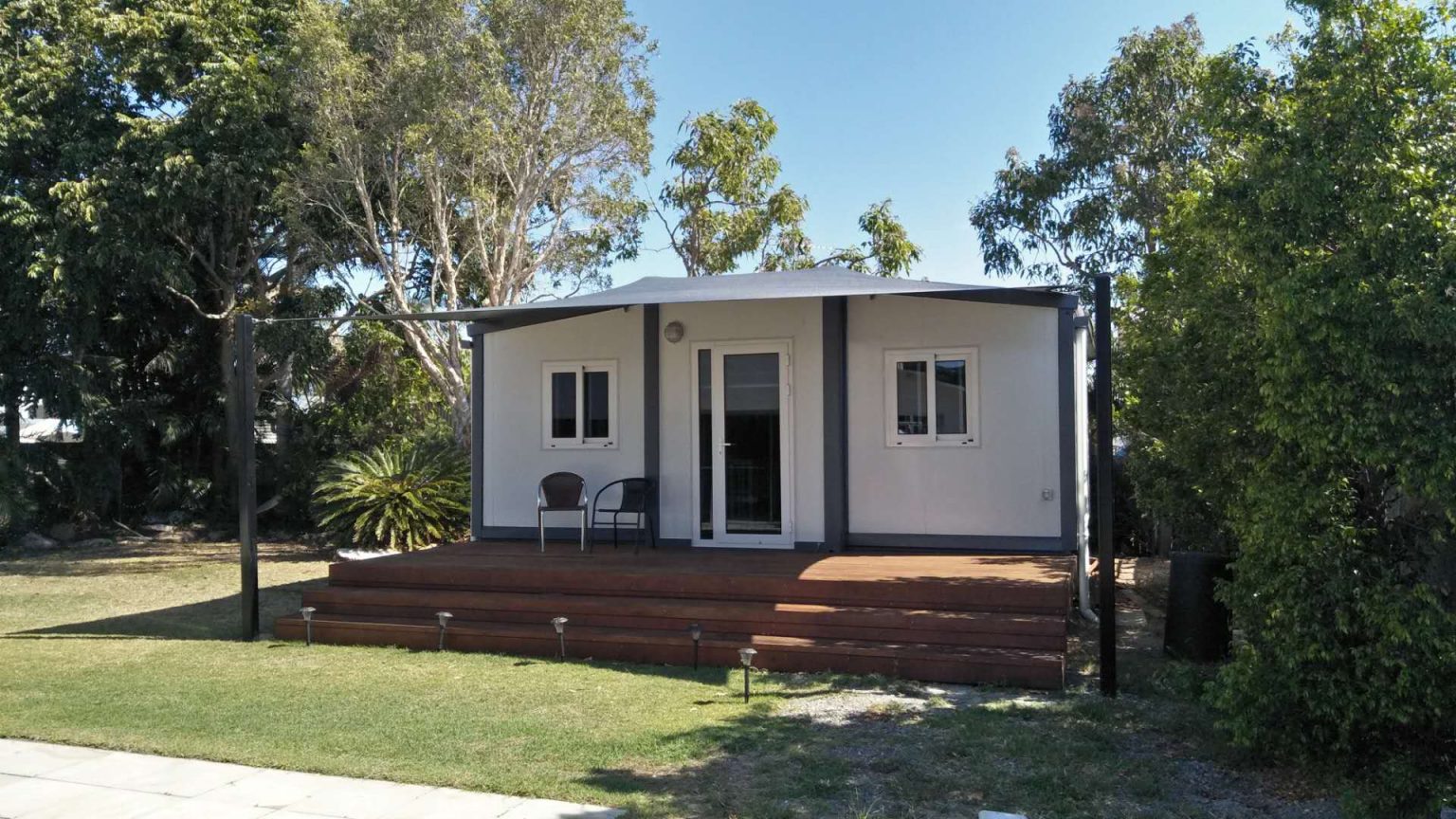
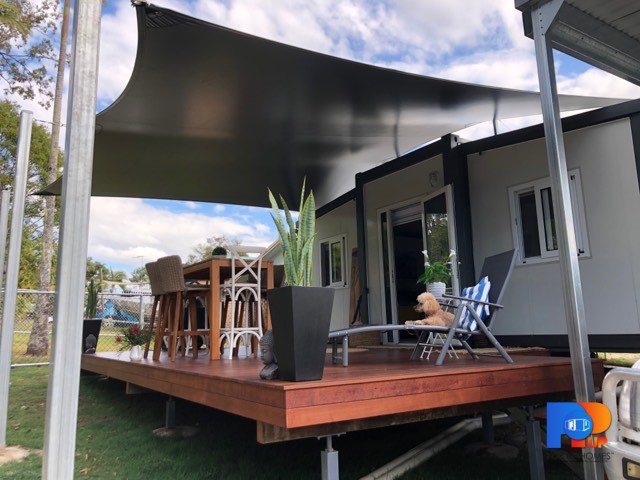
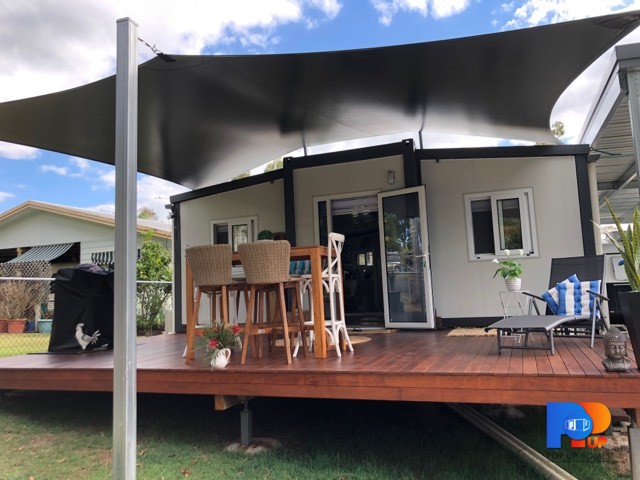
front view tiny / small home with deck and outdoor table bbq and sun lounge

What is the Tiny House movement that everyone is talking about?

By Kit Home, Tiny Home

What are a THOW and TH? A THOW is ‘’Tiny house on wheels’’ TH is ‘’tiny house’’. Originating in America in 2005, after they were used to accommodate hurricane Katrina victims, and in the wake of 2007-2008 global financial crisis hit and people started looking for an affordable alternative and this is where the Tiny house movement was born.

THOW and TH have been steadily gaining a foothold in the Australian Population. The average size for THOW can be anywhere between 30 square meters to 40 square meters. A conventionally built house can be anywhere from 240 square meters and up. Tiny house on wheels and a Tiny house has the character and functionality of a permanent house and are fixed to the land or on wheels.

The average cost of THOW or TH can be anywhere between $30,000 and $180,000, but the average falls between $60,000 to $160,000. Some people are shocked at how much a THOW or TH can cost while others can’t believe how inexpensive they are, it comes down to peoples budgets and expectations of what they want out of THOW or TH. A general figure if you’re deciding to build your THOW on the foundation the price can start from $15,000 and the average price for people that want to build their THOW on a trailer can start from $15,000

There are other contributing factors in the cost of your THOW or TH to take into consideration.

  • The cost of materials: If you choose to go with all new material for your THOW or TH the price can increase depending on what material you choose or if you decide to go with all recycled material. You might be able to save a bit of money but bear in mind the time it takes for you to organise the recycled building material while making sure the quality and quantity of the recycled building material are suitable and safe to use for your THOW or TH build.
  • The complexity of your building plans. The smaller you get the more intricate your design will be. Everyone wants to save space in their THOW or TH so you will always be trying to add space-saving ideas.
  • If you choose a builder to build your THOW or TH: A builder may charge more depending on the complexity of your design. A THOW or TH is nothing like a conventional build, which already has set specifications the builder can follow. A builder will have to use all their knowledge to ensure that your THOW or TH is legal and liveable with your Council.
  • If you choose to DIY build on your THOW or TH, you may be able to save money on labour. But a lot of people don’t take into consideration that you have to take more than 2 months of work to able to build your THOW or TH and the loss of your wages can be detrimental to you.

The biggest problem

with THOW is that in Australia the local councils don’t see it as a permanent dwelling and they class a THOW as a caravan. The problem here is that legally, you’re not allowed to live in a caravan full time in Australia. You might be able to get a permit from your local council but it’s nearly impossible for you to get. There have been some cases in Australia where people have won the right to live in a caravan permanent, but it has required a lot of work and is not for the faint-hearted.

There are a few people that have seen the trend in Australia and have opened their large properties to accommodate THOW or TH. There are also Facebook pages that help other THOW and TH owners find land that they can build on.

Shanyn the director of Pop Up Homes.

has extensive knowledge in the housing market and has seen a worrying trend of the Australian housing market. It is no longer sustainable and affordable for the average person to build their own home or purchase one that is already on the market, there are many factors as to why it is no longer sustainable and affordable.

 If you would like to know more click the below,

 Affordable Housing Solution

Shanyn has designed and developed a solution to bring sustainable and affordable housing to Australia. Thus, Pop Up Homes was developed. It is an Australian born Tiny home, they come in 2 sizes and 3 styles The Keppel is a 1 bedroom 37 square metre that includes a kitchen and bathroom facilities, The Fraser is a 2 bedroom 58 square metre that includes a kitchen and bathroom facilities, The Moreton is a 3 bedroom 58 square metre that includes a kitchen and bathroom facilities.

As part of a package, we will look after all the council certification, footings, installation and planning for your Pop Up Home. We at Pop Up Homes have never had an issue with certifying our Pop Up Home anywhere in QLD because it is classed as 1a dwelling.

We have broken down the average square metre cost for Pop Up Homes range and the average cost of a THOW or TH. The calculations are based on the average costing of the build and Pop Up Home.

Keep in mind that these calculations don’t include land.

  • 37 square metre Pop Up Home is $1080.81 per SQM, this may change depending on your circumstances.
  • 58 square metre Pop Up Home is $861.89 per SQM, this may change depending on your circumstance.
  • 37 square metre Tiny house on wheels or Tiny house is $1756.76 per SQM, this may change depending on your circumstance.

Source: Pop Up Homes  / ABC / Tripple J  /  finder.com.au  /  Reader’s Digest  /  Homes To Love  /  ABC News

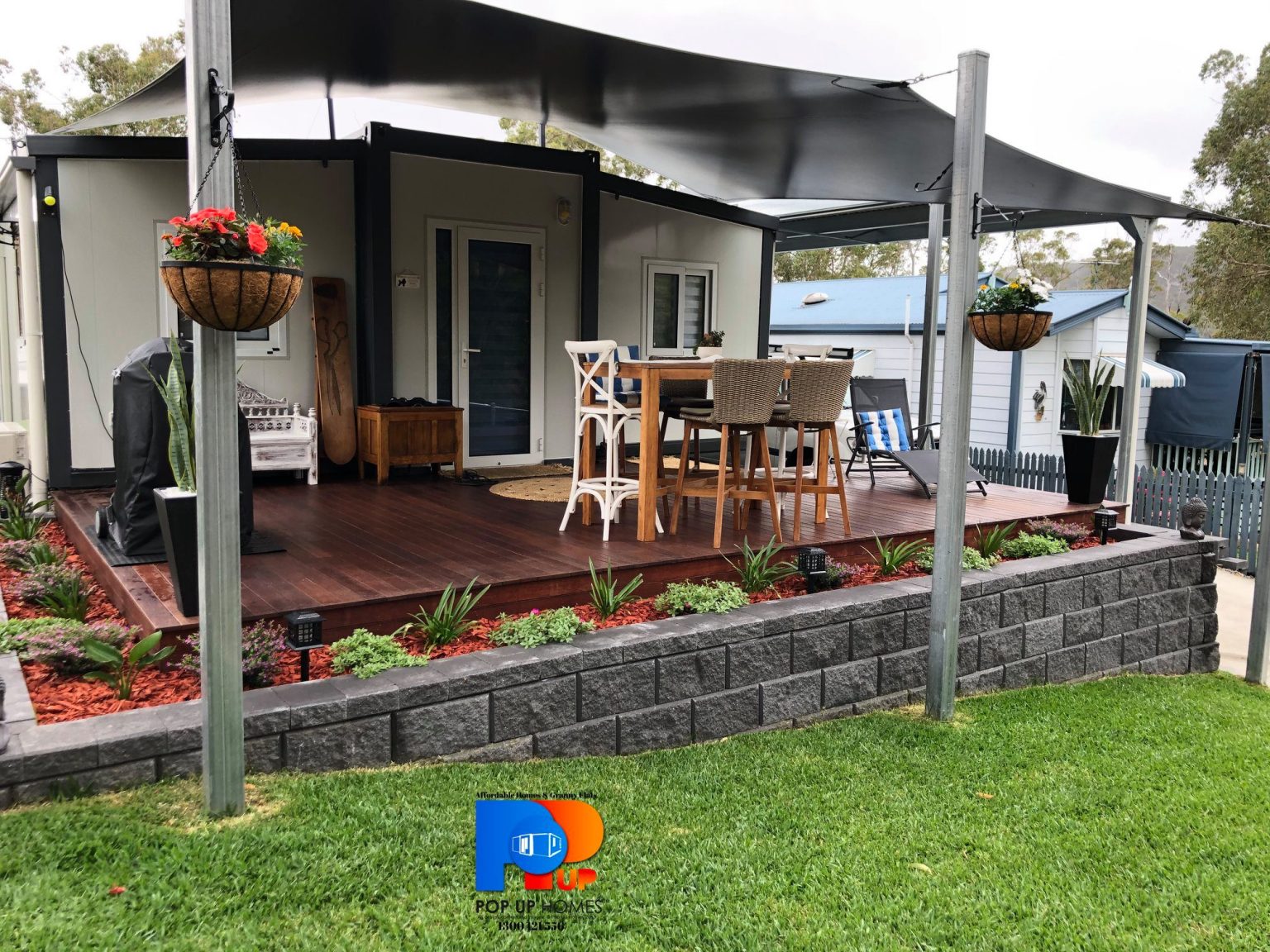
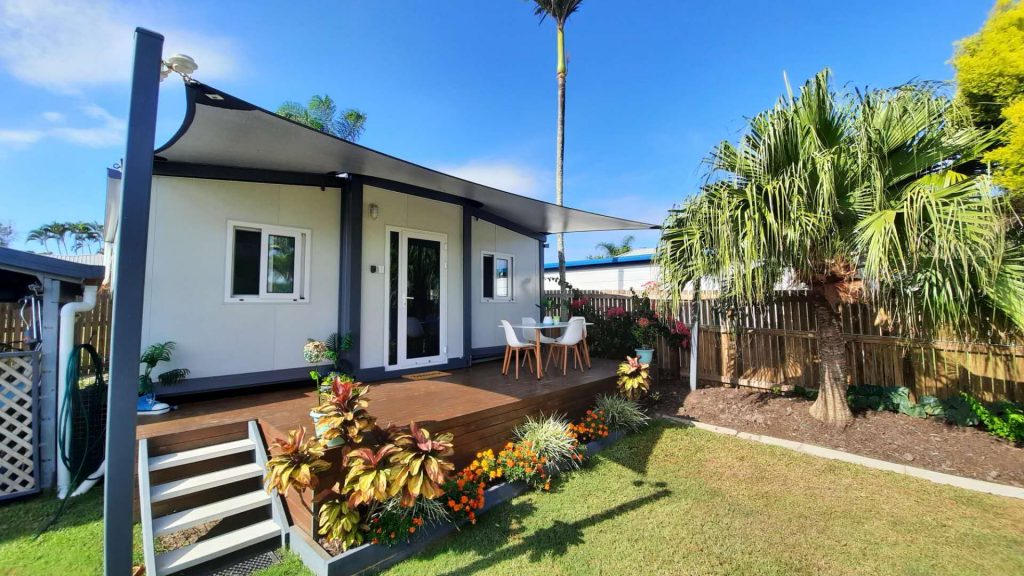
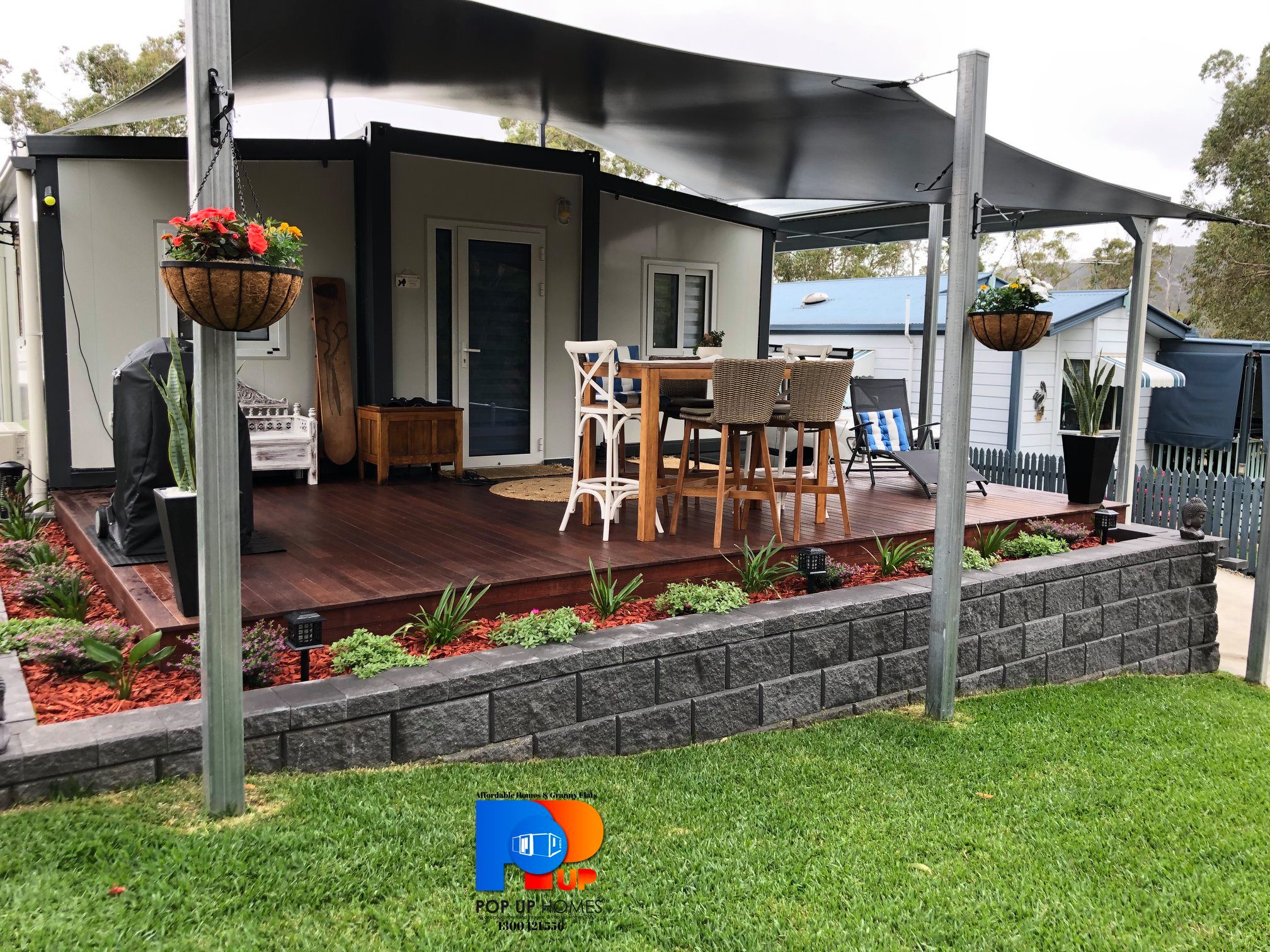
established tiny / small home with deck, block retaining wall and outdoor furniture and bbq

Secondary dwellings (Granny flats) and council rules and regulations

By Finance, Granny Flat, Kit Home, Queensland Regulations, Small Home, Tiny Home

When it comes to building a Granny flat on your property the rules, regulations and laws may differ from each council in Queensland. Most councils in Queensland have a standard set of rules when it comes to the size of your secondary dwelling.

If you’re not sure what your local council requires when building your secondary dwelling, it pays to ring your local private certifier, builder and council to give you the correct information.

I have created a list of council regulations for building a Granny flat in Queensland.

Brisbane city council requirements.

  • Secondary units can have a gross floor area of no
    more the 80m2
  • Secondary Dwellings must be no further than 20m
    from the main dwelling
  • Secondary Dwellings must be used by the same
    household group (family members) and cannot be legally leased as an investment
    property

For more information on requirements from Brisbane council please click link below.

Logan city council requirements.

A Secondary dwelling is termed a ‘Dwelling house (Secondary dwelling)’ in the Logan Planning Scheme 2015 and is included as part of the Dwelling house definition. A Secondary dwelling is a separate self-contained dwelling that is used in conjunction with, and subordinate to, the main dwelling on the same lot (e.g. a granny flat). A Secondary dwelling is restricted in size to:

  • 70m2 if in a residential zone and on a lot less than 1,000m2 in size or
  • 100m2 otherwise
  • Secondary dwelling must only be occupied by persons who form one household with the main dwelling. They may be located beside, behind, below or above an existing or new dwelling. Fire separation may be required per the National Construction Code. A private building certifier can advise on these requirements.

For more information on requirements from Logan council please click here.

popuphom

Fraser Coast council requirements.

  • Only one secondary dwelling can be established in association with a dwelling house
  • A secondary dwelling has a maximum gross floor area of 70m2 and a total use area if 100m2, excluding car park areas
  • A minimum of one on-site parking space is provided to service the secondary dwelling

For more information on requirements from Fraser coast council please click here.

Ipswich council requirements.

  • Auxiliary units can have a max gross floor area of
    50m2
  • Auxiliary units may be attached or detached
  • Auxiliary units must be consistent with the
    existing dwelling
  • Auxiliary units can now be rented out for income or
    used as accommodation for relatives

For more information on requirements from Ipswich council please click here..

Redland Bay council requirements. 

  • Secondary Dwellings can have a maximum gross floor
    area of 50m2
  • Secondary Dwellings must be no further than 20m
    from the main dwelling
  • Secondary Dwellings must be used by the same
    household group (family members) and cannot be legally leased as an investment
    property

For more information on requirements from Redland Bay council please click here..

Moreton Bay council requirements.

A Secondary dwelling may be free-standing or constructed under or attached to a Dwelling house.

  • be substantially smaller in size to the main house on the property
    (maximum GFA of 45m2, 55m2 or 100m2,
    depending on the zone and precinct and primary road frontage – refer to table
    below for further information);
  • be on the same lot as the main house. It cannot be subdivided, or
    community titled at a later date
  • obtain access from the existing driveway giving access to the main house
    on the property and
  • retain a relationship and association with the main house, with the two
    households making common provision for other essentials for living (‘Other
    essentials for living’ is defined as the sharing of utility bills e.g.
    electricity or Council rates).

For more information on requirements from Moreton Bay council please click here.

Gold Coast council requirements.

You will need to contact a private certifier in the gold coast area to determine the requirements for building a secondary dwelling in the Gold Coast area.

For more information on requirements from Gold Coast council please click here..

Sunshine Coast council requirements. 

Any secondary dwelling established in
association with the dwelling house is:- (a) located on a lot with sufficient area
to accommodate the secondary dwelling and associated access, parking, landscape
and setback requirements; (b) small in scale and clearly ancillary
to the dwelling house; and (c) provided with sufficient on-site car
parking to meet user needs. The
secondary dwelling has a maximum gross floor area of:

  • 90m2 were located in a lot in the rural zone or rural residential zone
  • 60m2 were located on a lot in another zone
  • The dwelling house and the secondary welling have a combined maximum site that covers 50%
  • At least one car parking space, in addition to the requirement for the dwelling house, is provided for the secondary dwelling

For more information on requirements from Sunshine Coast council please click here.
(Please click code 9.3.6 to download the pdf or click here to directly download.

Cairns Council requirements.

  • Secondary dwelling is generally no larger than 250m2 on a lot exceeding 10ha in the rural zone
  • No larger than 70m2 in all other zones

For more information on requirements from Cairns council please click here to download the pdf..

If you’re unsure on your local council requirements to building a granny flat, always ask your local council, private certifier and builder.

Related Reading: The Benefits of downsizing
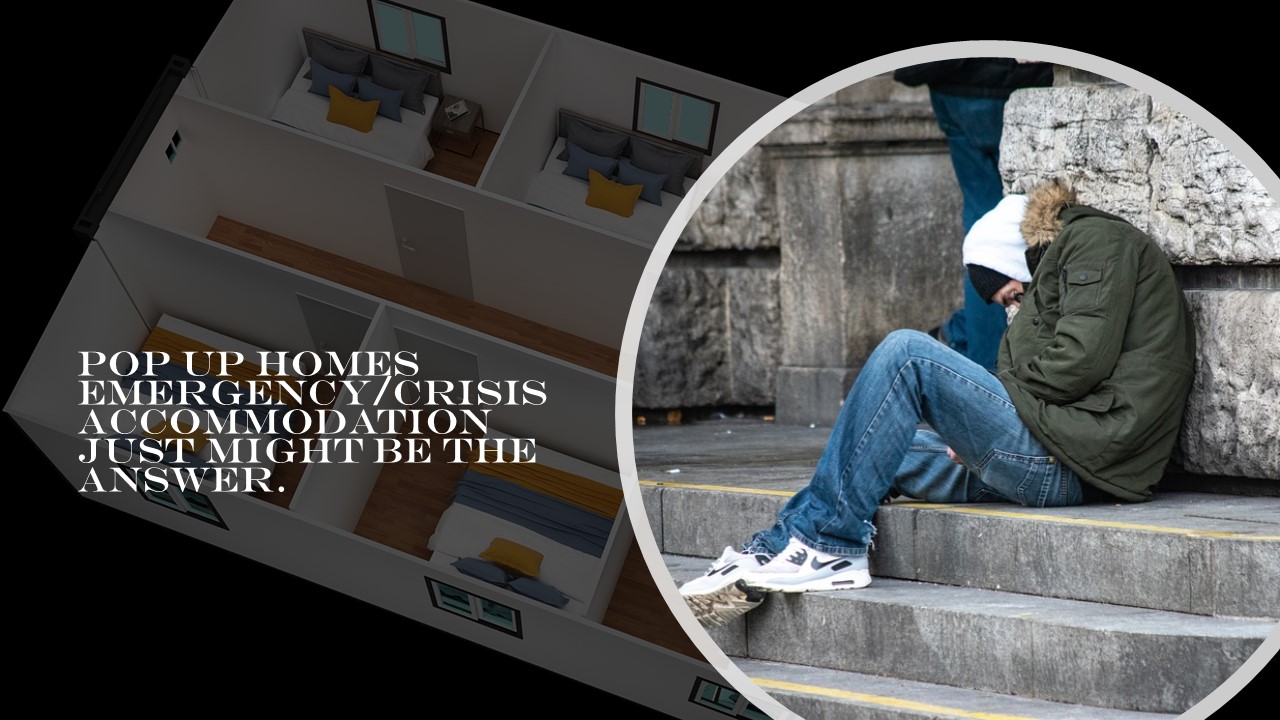
Emergency accodation Pop Up Homes advert

Affordable housing solution

By Finance
There has been a worrying trend with Australians, that they are less likely to own their own home. The Australian Institute of Health and Welfare released it’s 2 yearly reports, and it has highlighted the disturbing decline in homeownership.

source: Australians Are Less Likely To Own Property Each Passing Generation (news.com.au)

  • The rate of homeownership for 30-34-year-olds has fallen by 14% in the last 45 years. In 1971 about 64% owned their own homes but only 50% did in 2016.
  • The reason for the changes in homeownership has been influenced by household demographics as well as population increases. 
  • The Australian Institute of Health and Welfare believes, that the number of single people and single-parent households had an increase. These types of groups tend to have a lower income and can’t afford a home mortgage. 
  • There also has been a huge increase in the Australian population, which has increased the demand for housing. Especially in cities like Brisbane, Melbourne and Sydney where most migrants have settled.
  • Affordability is a really big issue as well, with housing prices at 8.5 times the median household income in Sydney and about 7.5 times in Melbourne.
  • Students from overseas have also greatly impacted the private rental market. Mainly in major cities and are putting pressure on demand for housing.

It is worrying that younger Australians are going to find it harder to get into the property market. The Australian Queensland Government has come up with a housing strategy for 2017-2027. The housing strategy looks at investing $1.8 billion, for social and affordable housing and transform the way that housing services are delivered to better support people in need. 

The Queensland government Key areas of action are:

Construction and Jobs

  • Construction jobs will be boosted by creating a stronger pipeline of development.
  • supply of social and affordable rental housing will be increased. Housing precincts and neighbourhoods will be revitalised by attracting private and government investment. 

Young Australians

  • Young people in public housing will have a greater capacity to pursue education, training and employment opportunities, and social and economic participation.
  • Highly vulnerable young people exiting from out-of-home care and institutional settings will receive improved access to safe and secure housing options, to support their transition to independence.

Affordable and innovative housing solutions

  • State, local government and private sector stakeholders will work collaboratively to identify, leverage and manage development opportunities across the state, to create greater housing choice and diversity, respond to local needs and improve neighbourhood liveability. 
  • A genuinely affordable housing market will be delivered in partnership with community housing providers, through greater flexibility to use existing program funds and project financing arrangements.

Supporting seniors

Older people living in retirement villages and residential parks will have better protection through legislative reforms.
Older people living in public housing will be supported to age in their homes through increased accessibility and adaptability of their dwellings.
Seniors will have enhanced housing support by implementing service improvements to address the issues raised by the Advisory Taskforce on Residential Transition for Ageing Queenslanders.

Service delivery transformation

Housing and homelessness services will take a more holistic and person-centred approach, and people will be linked to the support they need to improve their wellbeing and self-reliance, and access and sustain safe and secure tenancies. 
Modern and innovative services will support people to have better access to information about their full range of housing options and the housing and support services, that can help them to achieve their aspirations.

Supporting the most vulnerable

Vulnerable Queenslanders will have access to and will sustain housing through early intervention, referrals, coordinated support, and personalised assistance. 
Housing and support will be proactively delivered to provide pathways and support broader human services outcomes for vulnerable Queenslanders.

Fairness for all

Consumers will be protected and empowered, and the retirement village and residential park industries will be supported to supply quality services with confidence.  
People living in the private rental market will have better consumer protection and housing stability through legislative and policy reforms.

source: Queensland Housing Strategy 2017–2027 (QLD Govt)

To combat these growing concerns Pop Up Homes have been planning and developing a solution to solve the affordable housing crisis in Australia. Shanyn Pedersen having 15 years’ experience in various property investments, knows firsthand that the affordable housing crisis isn’t going away.

Thus, Shayn has developed 3 affordable Pop Up Homes ranging from 37 SQM 1 bedroom and 58 SQM 2 bedroom and 3 bedrooms pre-fabricated Pop Up Home. Shayn developed these homes with affordable housing in mind for those that want to downsize due to financial issues, or for those that want to get into the housing market.

Not only can Pop Up Homes be the solution to affordable living, but it can also be the solution for emergency shelters and Field Hospitals for areas that have been impacted by environmental disasters.

More information on our Granny Flats Page…


Pop Up Homes Granny Flats, small affordable homes

The necessity of having a Budget Planner

By Finance

The best way to take financial control of your life is to do a Budget.

A budget a planner is a simple tool that will allow you to understand your money going in and going out of your household.

Many people are often turned off by the simple term BUDGET, they associate it with restrictions and a lot of hassles and headaches.

Budgeting can save your money for a new house and allow you to have more to spend by helping you to take control of your money.

By doing a budget it will help with,

  • Stops overspending: By taking control of your spending, you’re not spending it on items that are not necessary for you or your family. Like that extra chocolate bar or that new flat-screen TV that everyone is talking about.
  • Helps you reach your goals: We all have goals that we want to achieve, it can be that holiday that you have been planning for a couple of years or it can be a deposit for your first home. By creating a budget, you have a full understanding of where your money is going.
  • Helps you save money: By having a budget in place it helps you save money for financial security.
  • Helps you stop worrying: Having financial security is a good feeling, having any unexpected cost in your life is inevitable. If you have a car accident or a pipe has burst in your wall, knowing that you are financially secured enough to pay the unexpected things in life and still be able to afford rent, food or your mortgage.
  • Allows you to be more flexible financially: Having financial flexibility in your life is another way of being financially secure. It allows you to pursue your goals as desired and to take advantage of the ‘’unique’’ opportunities that will present themselves in your life. For example buying that special investment house, taking a trip, starting a family or changing careers.
  • Budgeting puts YOU in control: By being in control of your finances your head will always be above water, no more living by pay to pay or week to week. You will have a better understanding of where your money is going, where you can save and finally reaching your financial goals.

You need to be honest with yourself when creating a budget, at the end of the day, it’s your finances.

Once you create your first budget, you can begin to use it and keep track of your finances. It allows you to map out your spending plan or budget for 6 months to a year.

By keeping track of your finances, you can easily forecast how much you’re saving and how much you’re spending.

If you’re spending more than what you’re saving and constantly looking for money you need to have a look at your lifestyle! Question everything you spend money on and ask yourself can you survive without it?.

If you have debt with a financial institute, for example, a personal loan or a car loan or even a mortgage with any of the banks or credit unions. You have the right to ask for lower interest rates.

At the end of the day, you are a consumer and can take your business to another bank that has offered a lower interest rate.

The same is said with your insurance companies you have the right to ask for lower rates, there are plenty of competitors out there that will be happy to have you as their customer and offer a cheaper service.

Don’t be afraid to shop around for other banks, credit unions and insurance companies, Unfortunately, banks and insurance companies don’t reward loyalty.

This can be a daunting but an exciting experience but you’re one step closer to being financially secure.

A good book to read is Barefoot investor, I highly recommend this book, it has helped me to domino, my debt set up my budget and have a full understanding of my financial situation.

I’m now on my way to buying my first block of land and home and no longer worried about my financial security.

Below I have added a link to the QLD government website that offers a free budget planner for your convenience, it’s easy to use and is straight forward.

QLD Govt Free Budget Planner (excel file)

I have also added a link to Scott Pape website for your convenience, The Author of The Barefoot Investor.

The Barefoot Investor Website


This is not financial advice, but from personal experience. Please seek or ask a professional for advice on your finance situation.

older couple receiving keys to new home from attractive female real estate agent

Affordable Housing Solutions

By Finance, Queensland Regulations
tiny home on uneven block of land with double garage shed

1 in 5 women become homeless in Australia at least once in their lives. What we are doing at Pop Up Homes QLD trying to prevent this from happening and give people a housing option that is durable and affordable.

At Pop Up Homes we believe that we have the best and affordable pre-fabricated home for sale that the market has on offer. With our passion being to be able to provide 1, 2 and 3 bedroom options for those in need at the best affordable price.

Our Pop Up Homes are an affordable prefabricated home.

There are many companies that offer pre-fabricated homes for sale in QLD but they are often out of most people’s price range. We have developed a Pop Up Home, that ensures that our customers get the best value for money with the best quality.

When we developed our Pop Up Homes and system, we had at the forefront of our design how the entire process could be made affordable and reachable to the everyday budget.

We considered how the design could be made so that the transport costs were as low as we could get them how the installation costs could be kept low and we always keep our customer well informed of the prices they should be paying for plumbing, certification and any additional costs they may have for additions to the home like decks etc.

When researching pre-fabricated homes for sale in QLD it is important to weigh up all the costs involved and ask all the right questions to ensure you are well informed of onsite costs, transport costs and connection costs.

Here at pop up homes

We listen to our customer’s needs and price accordingly to ensure that the customer gets the best value for money, We are not hard pushing salespeople we are passionate about what we do and how we do it.

I also think it is important when buying a pre-fabricated home in QLD that you know what to ask to ensure that you are getting a product that will last:

  • Does the home come with Australian Engineering and a form 15?
  • Does the home have the certification for the windows?
  • Is the plumbing that is installed to Australian Standards?
  • What is the Structural Warranty?
  • Are the smoke detectors hard-wired?

Please see our questions to ask when buying a prefabricated building

Questions like these will not only save you a lot of hassles when applying for a building application or a temporary home application but will give you the reassurance that the home is to Australian standards and will last.

It is always handy to keep these documents in a safe place as if you want to sell the home then you will always get a better price when providing such documents. 

It is like buying a car if a car has a servicing log book then you know that you are buying something that has been cared for and the warranty has not been voided due to lack of service. 

When looking at pre-fabricated homes for sale in QLD always do your homework, at the end of the day it will be YOUR HOME.

Affordable housing is available in Queensland you just need to do your research and find someone like the family-owned business.

Pop Up Homes is here to provide an affordable housing solution.

Please see our Granny Flat solutions.

Small or tiny home well established front shot

Ordering A Pop Up Home Is Easy & Stress-Free!

By Finance, Granny Flat, Kit Home, Small Home, Tiny Home

At Pop Up Homes we know you have enough to do in your busy life.

We also understand the last thing you want to do is spend your time, energy and money driving around in the car looking at displays, or surfing thousands of pop up homes websites and ending up more confused than ever.

That’s why enquiring or ordering your Pop Up home is easy and stress-free and why we have a complimentary price guide.

Our focus is to keep you in the loop at all times with your order, so you do not have to worry about anything.

Simply put, Pop Up Homes are a proven leader in supplying affordable Pop Up Homes to people, businesses and other operations of all over Australia.

Our permanent Pop Up Homes are perfect for use as granny flats, spare rooms, an investment, renovating, first home, downsizing, deluxe camp accommodation and much more.

Put one on a block you can’t build on or live in it while building your dream home.

They’re a great space for the adult children while they leave or save for a home of their own. They also make ideal University accommodation and are perfect for caravan parks or your own bed and breakfast, so find out more today with our complimentary price guide.

To find out more or order your Pop Up Home…

  1. Phone us 1300 121 556 and speak to one of our home specialist.
  2. Email us at office@popuphomes.com.au
  3. Or you can register for our complimentary price guide and have it mailed to you. It contains additional information about our pop up homes, which many people and businesses find extremely useful, so why not orders yours today?
older couple with man holding out keys to new home with big smiles

See who buys a Pop Up Home

By Granny Flat, Kit Home, Small Home, Tiny Home

Residential Home Owners – Why? Some want to rent it out to help pay off their mortgage faster. Others want to add value and more space to their property, and some use a Pop Up Home as accommodation for their adult children or guests.

Entrepreneurial Home Owners – These guys buy Pop Up Homes and use them as overnight or short term Bed & Breakfasts and other accommodation for events such as Christmas, Easter and other holidays, and make a tidy sum in the process.

Holiday & Caravan Parks – Caravan and holiday parks see the value of our Pop Up Homes for several reasons. First, they can be set up with our highly skilled experienced team in 3 days. Second, they’re portable, so they disassemble and reassemble quickly and easily. Third, it gives them more quality accommodation for their guests and higher profits for their business for the long term.

People downsizing – A fair share of Australians show interest in Pop Up Homes because they’re ready to downsize from the traditional family home. It makes sense to!

With a Pop Up Home, maintenance is minimal, and they’re just like a real home, only smaller.

They’re also portable so they get the privacy of owning their own home without the costs and time-consuming upkeep and maintenance.

Home Owners who want more space but do not want to renovate or move  – Pop Up Homes are proving popular with people who are happy to stay put but want more room. After all, a Pop Up Home is about a third of the cost when you compare it to renovation or selling up and moving out!

Property Investors – People with investment property buy our Pop Up Homes for quite a few reasons. Some want to add more space to their property so they can make it more attractive.

Others buy them and rent them out as granny flats so that, if and when they sell the property, it has more bedrooms or living space, which increase its value.

Deluxe Camp accommodation – Mining services and towns use our Pop Up Homes because they’re easy to set up and pull down, it’s cheaper than hiring accommodation, and they can take them with them when their project is over.

Our temporary or permanent Pop Up Homes are perfect for use as granny flats, spare rooms, an investment, renovating, first home, downsizing, deluxe camp accommodation and much more.

Put one on a block you can’t build on, relocate it whenever you like, or live in it while building your dream home.

They’re a great space for the adult children while they leave or save for a home of their own. They also make ideal University accommodation and are perfect for caravan parks or your own bed and breakfast, so find out more today with our complimentary price guide.

4 check boxes ticked with pen

Pop Up Homes Features, Benefits and Advantages

By Granny Flat, Kit Home, Small Home, Tiny Home

At Pop Up Homes we are committed to supplying the best quality and personal service pop up homes on the market.


Below are just some of the advantages and features you’ll receive with Pop Up Homes Manufactured Homes.

  • Unlike other pop up homes and manufactured homes on the market, all the electrics, windows and plumbing in our Pop Up homes are compliant with Australian engineers design certificate and form 15..
  • Every Pop Up Home we sell has 75mm EPS Panels on the external walls and 50mm EPS on the internal walls to keep it cool in summer and warm in winter.
  • You receive peace of mind with a 10-year structural warranty on galvanised steel framing.
  • You receive a 18mm thick waterproof ply on the base. This prevents warping of the entire structure, as a lot of moisture comes from the ground and can ruin your investment in a matter of years if the ply is not thick enough.
  • PVC flooring in the bathroom – prevents cracking and travels a lot better in the bathroom than tiles. PVC is already laid when it arrives, whereas many other floor types must be laid on arrival.
  • Sliding double glazed windows.
  • Double-glazed glass windows for extra strength and sound resistance.
  • Insect screens.
  • Financing available, subject to approval.
  • And more!

Our temporary or permanent Pop Up Homes are perfect for use as granny flats, spare rooms, an investment, renovating, first home, downsizing, deluxe camp accommodation and much more.

Being a manufactured home they can go just about anywhere.

Put one on a block you can’t build on, relocate it whenever you like, or live in it while building your dream home.

They’re a great space for the adult children while they leave or save for a home of their own. They also make ideal University accommodation and are perfect for caravan parks or your own bed and breakfast, so find out more today with our complimentary price guide.

COUNCIL APPROVED CERTIFIED CLASS 1A DWELLINGS